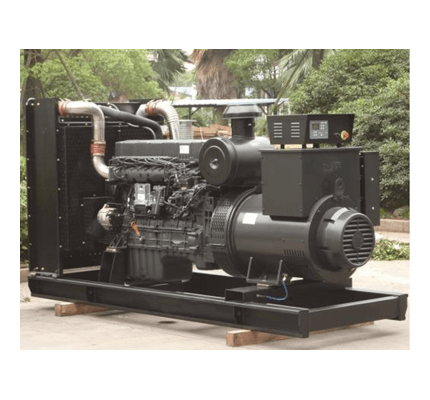
Gasoline generators, diesel generators, silent generators, farms, small courtyards
With power outages becoming increasingly frequent, generator sets have become "essential equipment"—whether for household emergencies or maintaining factory production. Yet, many people struggle to distinguish between the two: what exactly is the difference between a home generator and an industrial one? They differ completely in terms of power output, voltage, fuel consumption, price, and usage scenarios; buying the wrong type is both costly and unsafe. Today, we’ll break it all down so you can avoid making a costly mistake!
 I. What is a household generator set?
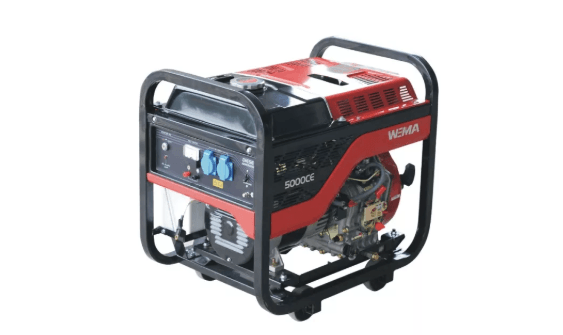
Household generator sets are small-scale emergency backup power sources primarily used for low-power needs in homes, shops, small supermarkets, guesthouses, and construction site dormitories. They are characterized by their compact size, low noise levels, stable voltage output (230V), ease of operation, and fuel efficiency. Suitable for powering everyday appliances such as refrigerators, air conditioners, lighting, water pumps, and computers, they meet basic living and small-scale business requirements during power outages.
I. What is a household generator set?
Household generator sets are small-scale emergency backup power sources primarily used for low-power needs in homes, shops, small supermarkets, guesthouses, and construction site dormitories. They are characterized by their compact size, low noise levels, stable voltage output (230V), ease of operation, and fuel efficiency. Suitable for powering everyday appliances such as refrigerators, air conditioners, lighting, water pumps, and computers, they meet basic living and small-scale business requirements during power outages.
 II. Key Differences: Residential vs. Industrial Generator Sets
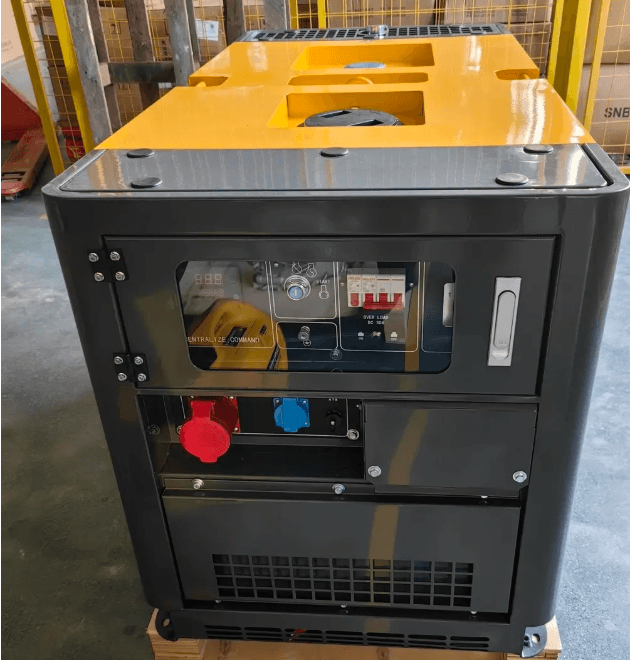
- Power Output: Residential units typically range from 3 kW to 15 kW; they are compact and portable, designed to meet basic household electricity needs. Industrial units usually exceed 20 kW—sometimes reaching hundreds or thousands of kilowatts—to power heavy machinery, production lines, air compressors, machine tools, and other high-load equipment.
- Output Voltage: Residential units provide single-phase 230V power, matching standard household outlets for direct connection to appliances. Industrial units provide three-phase 400V power, specifically designed for industrial machinery, electric motors, and large-scale power equipment.
- Duration and Continuous Operation: Residential units are intended for short-term emergency backup (running during outages and shutting down when grid power returns), typically operating for only a few hours at a time. Industrial units support prolonged, continuous operation; they feature durable designs, superior heat dissipation, and higher stability.
- Noise and Environmental Requirements – Residential: Emphasizes low noise levels; many models are designed for silent operation to avoid disturbing neighbors, making them suitable for residential areas. Industrial: Noise levels are generally higher; units are typically installed in machine rooms or workshops where noise constraints are less strict.
- Fuel Consumption and Cost-Efficiency – Residential: Features small displacement and low fuel consumption; economical, practical, and cost-effective. Industrial: High power output and fuel consumption; prioritizes stable performance and uninterrupted power supply for production.
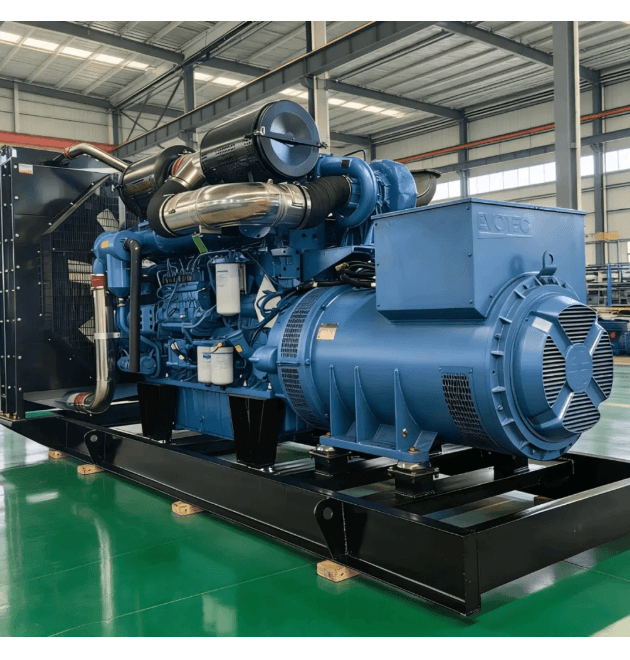
- Applications and Scenarios – Residential: Homes, shops, convenience stores, guesthouses, small-scale livestock sheds, and outdoor camping. Industrial: Factory production lines, construction sites, mines, hospitals, data centers, and large-scale livestock farms.
- Home generator sets can be distinguished in a nutshell—low power output, 230V, quiet operation, emergency use, and cost-effective convenience.
- Factory generator sets—high power output, 400V, rugged durability, ensuring production continuity, and professional-grade performance.